Skip to content
Umbrella Roofing Solutions

Roofing materials & systems

Roofing systems.
With the desert in mind.

Compare tile, coated foam, and torch-down for Coachella Valley properties. Look beyond the visible finish to sun exposure, protective layers, drainage, and the care each roof needs.

Coachella Valley, CA

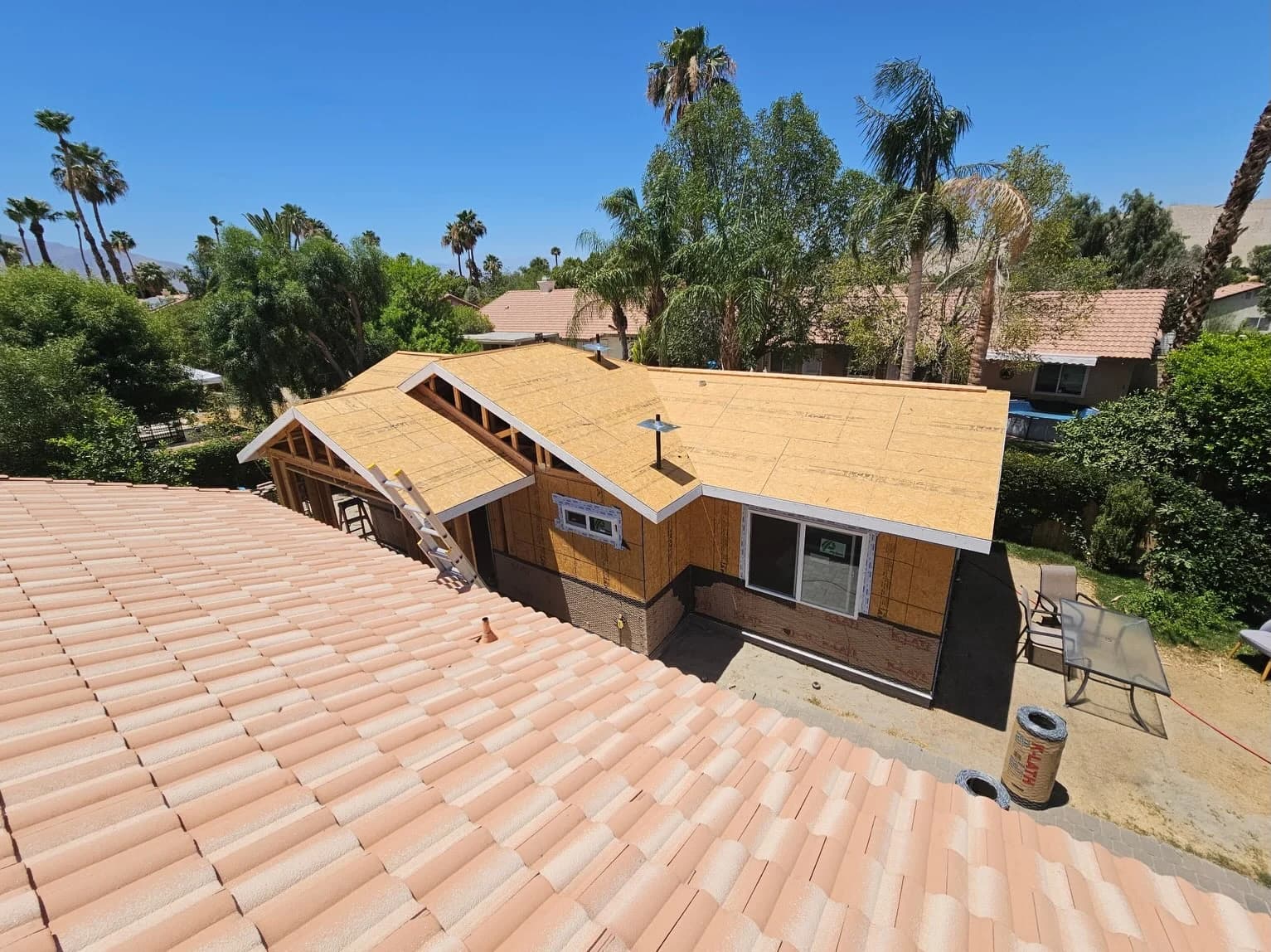
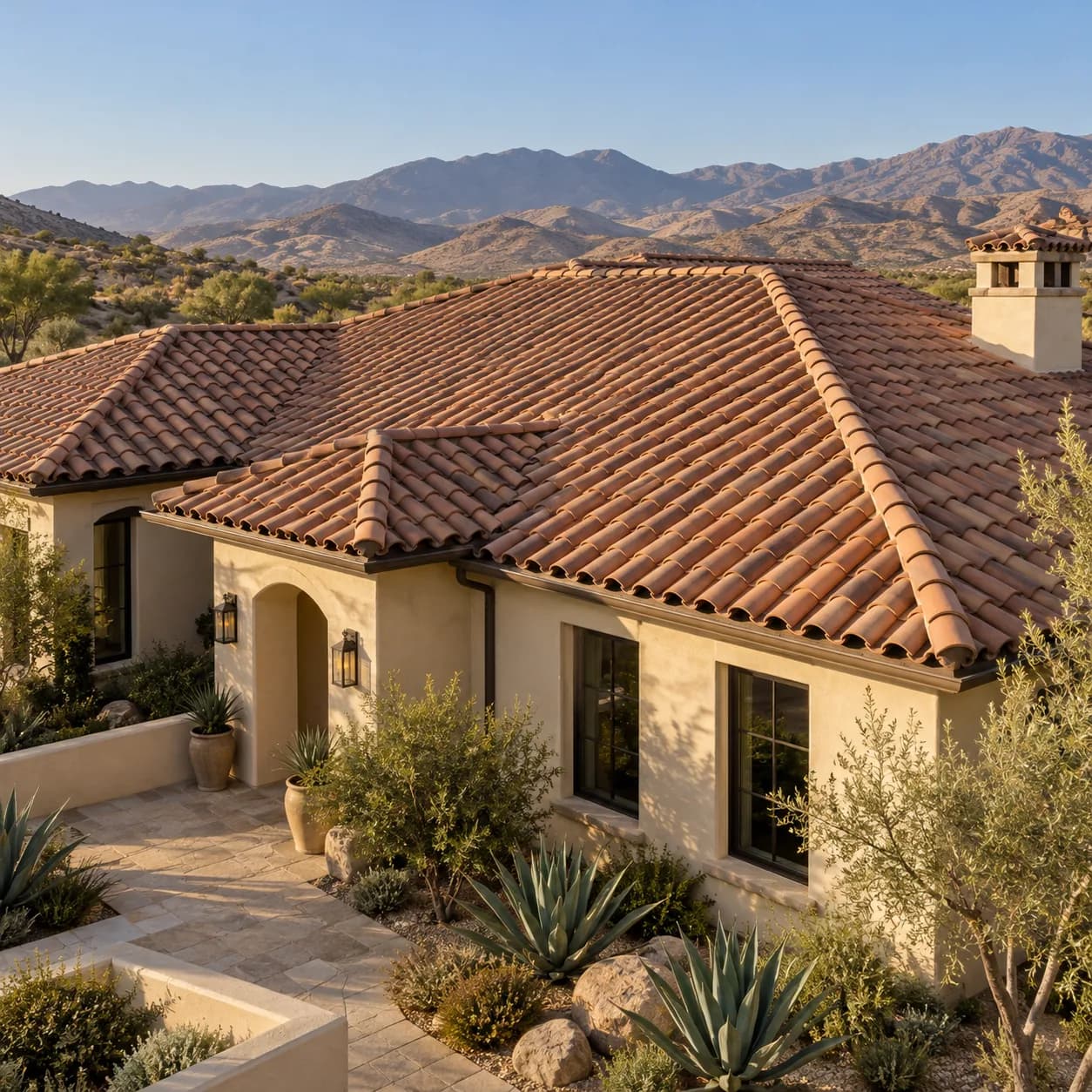
Representative stucco home with terracotta roof tiles and desert foothills
Good roofing starts below the surface.

Get to know your options

Three systems. Different strengths.

Begin with roof slope and condition. Then compare the full assembly, the specific product’s performance, and how it will be maintained through summer sun and seasonal rain.

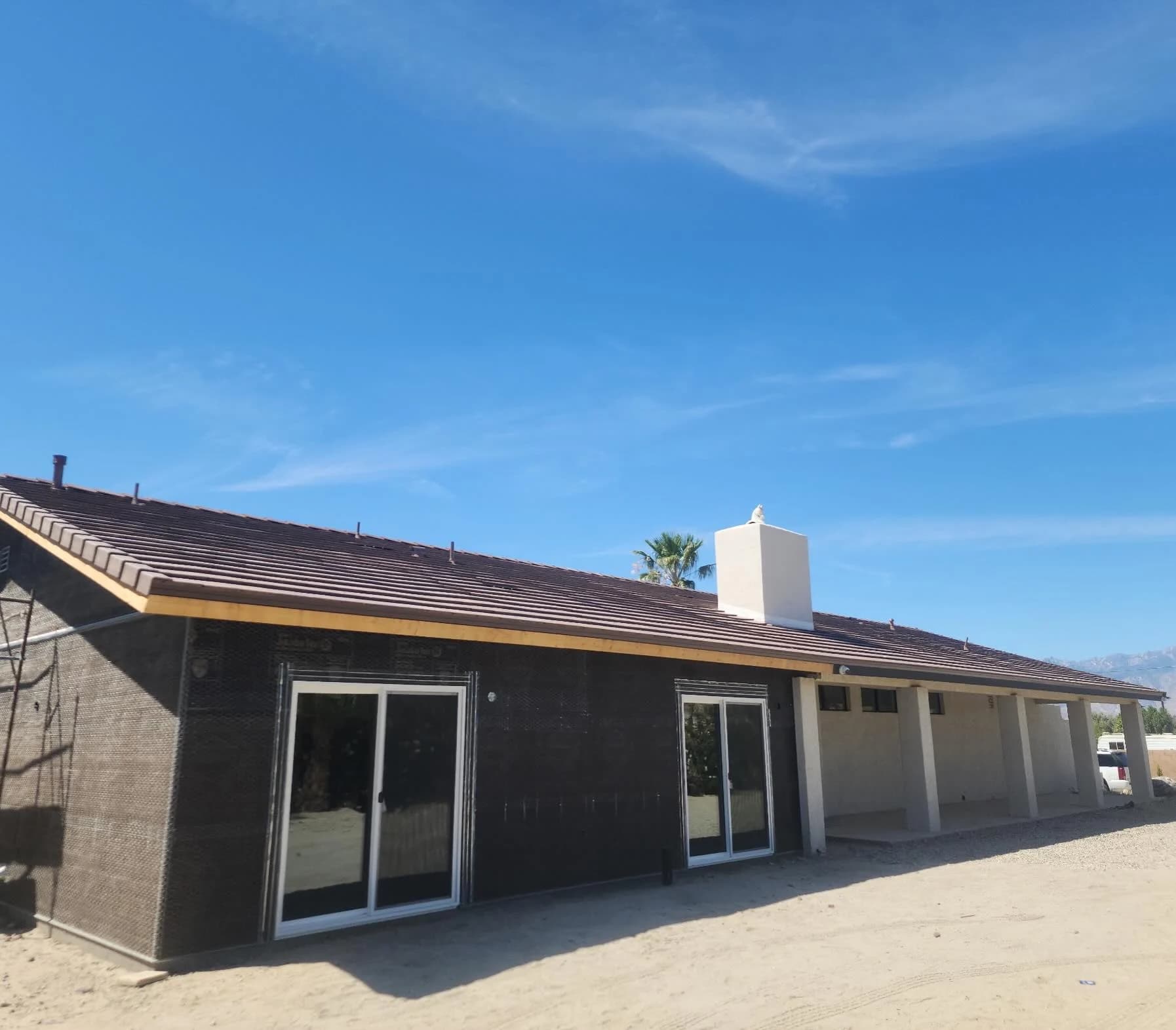
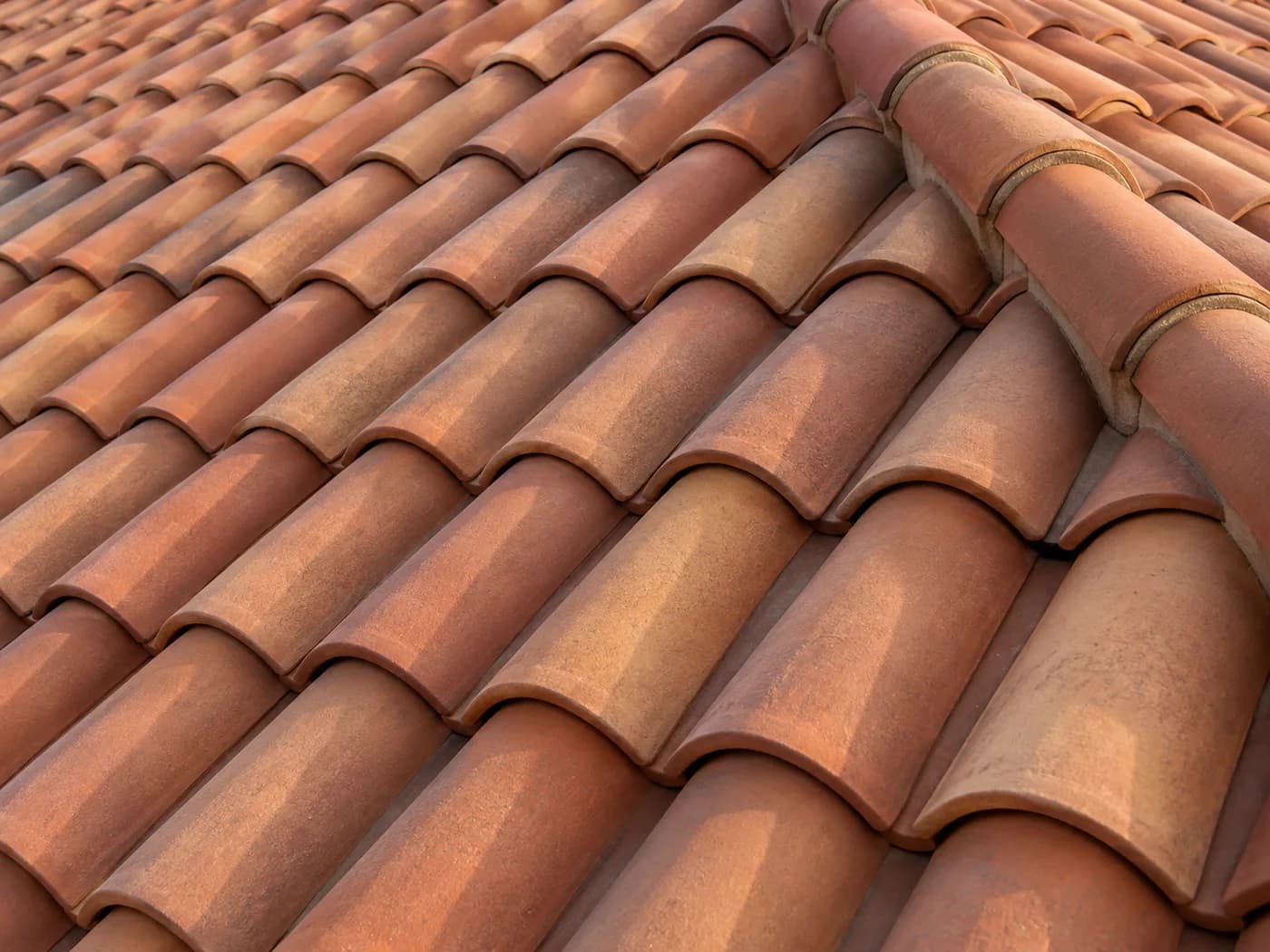
Close-up of overlapping terracotta roof tiles

Clay & concrete

Tile roofing

Clay and concrete tile suit a range of desert-home styles. Plan the entire assembly: the tile profile and finish above, with compatible underlayment, flashing, and roof-edge details beneath. Reflective properties vary by product.

The appeal
A choice of profiles and finishes for a distinctive desert roofline.
Plan for
Roof slope, structural support, underlayment condition, and product specifications for the intended exposure.
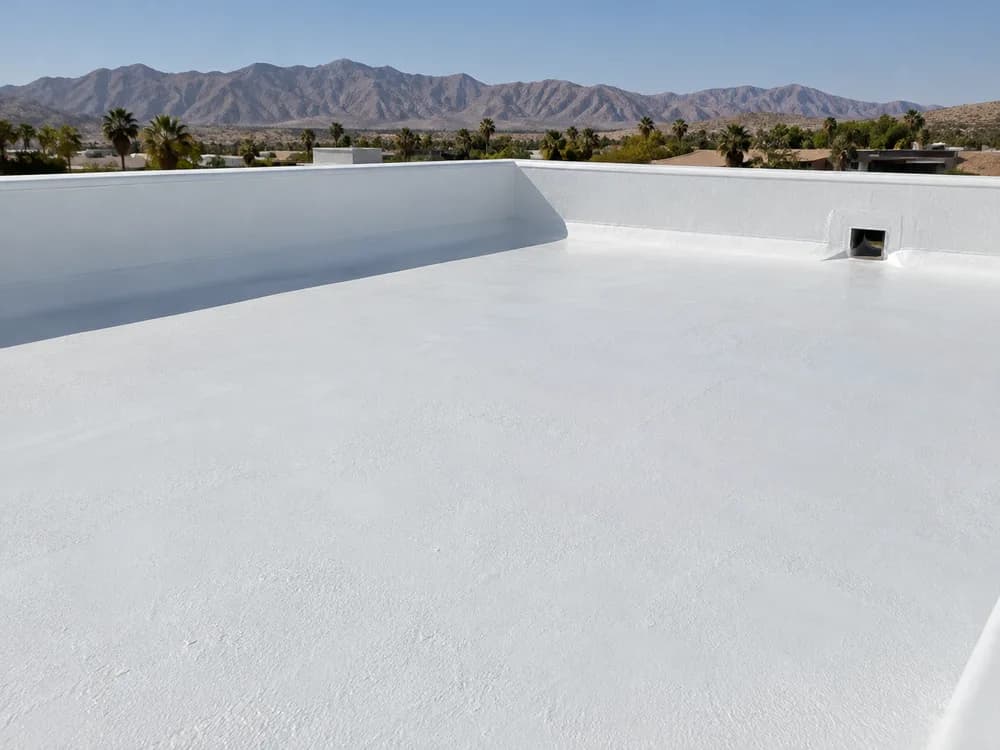
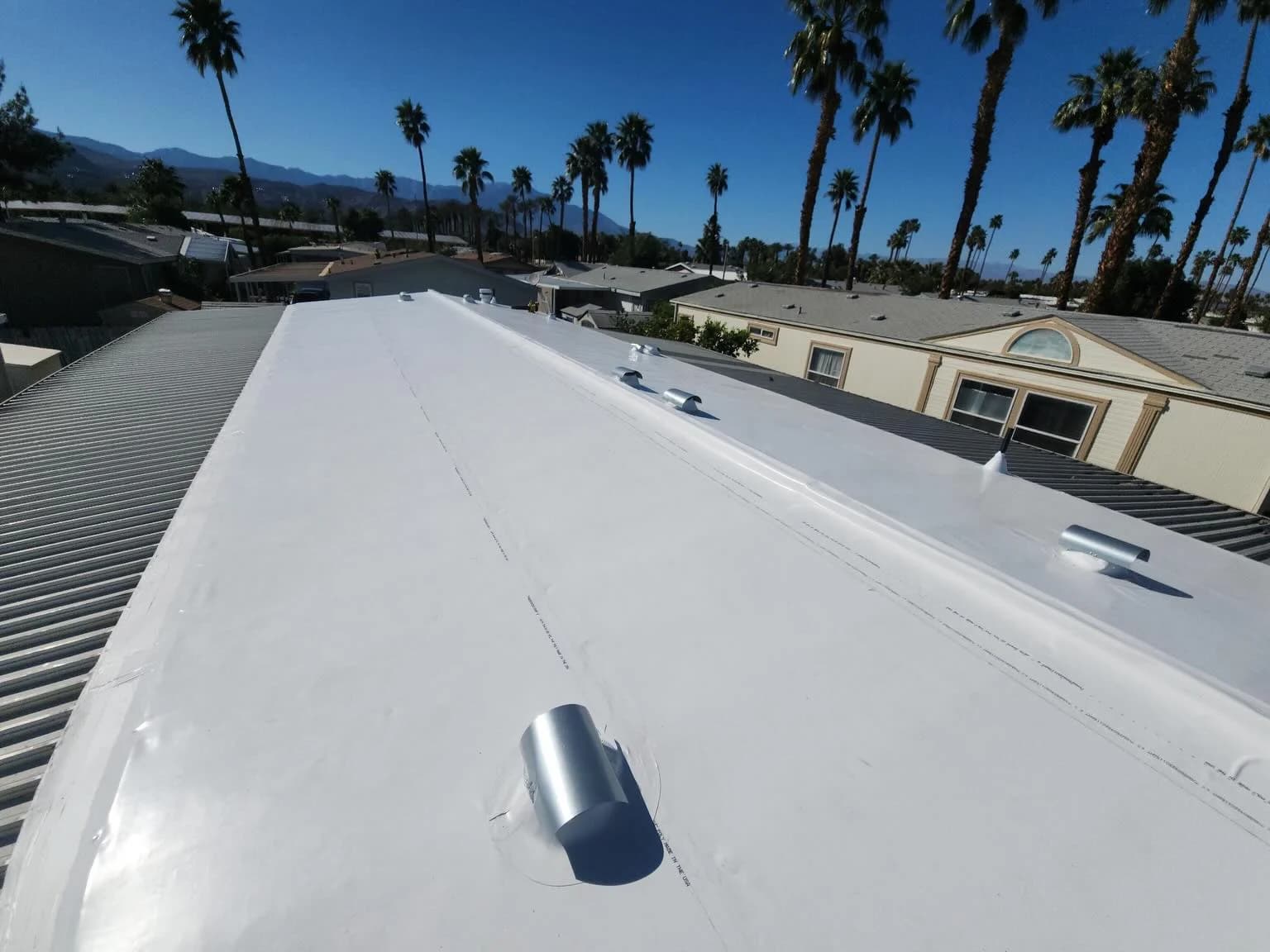
Representative white coated foam roof with continuous surface and parapet details

Spray polyurethane foam

Foam roofing

For suitable low-slope roofs, spray polyurethane foam forms a continuous insulating layer beneath a protective coating. A reflective coating can reduce solar heat absorption; the selected product and ongoing coating care matter.

The appeal
Insulation and a continuous surface, with reflective coating options.
Plan for
Existing roof condition, moisture, drainage, coating compatibility, and future inspections or recoating.
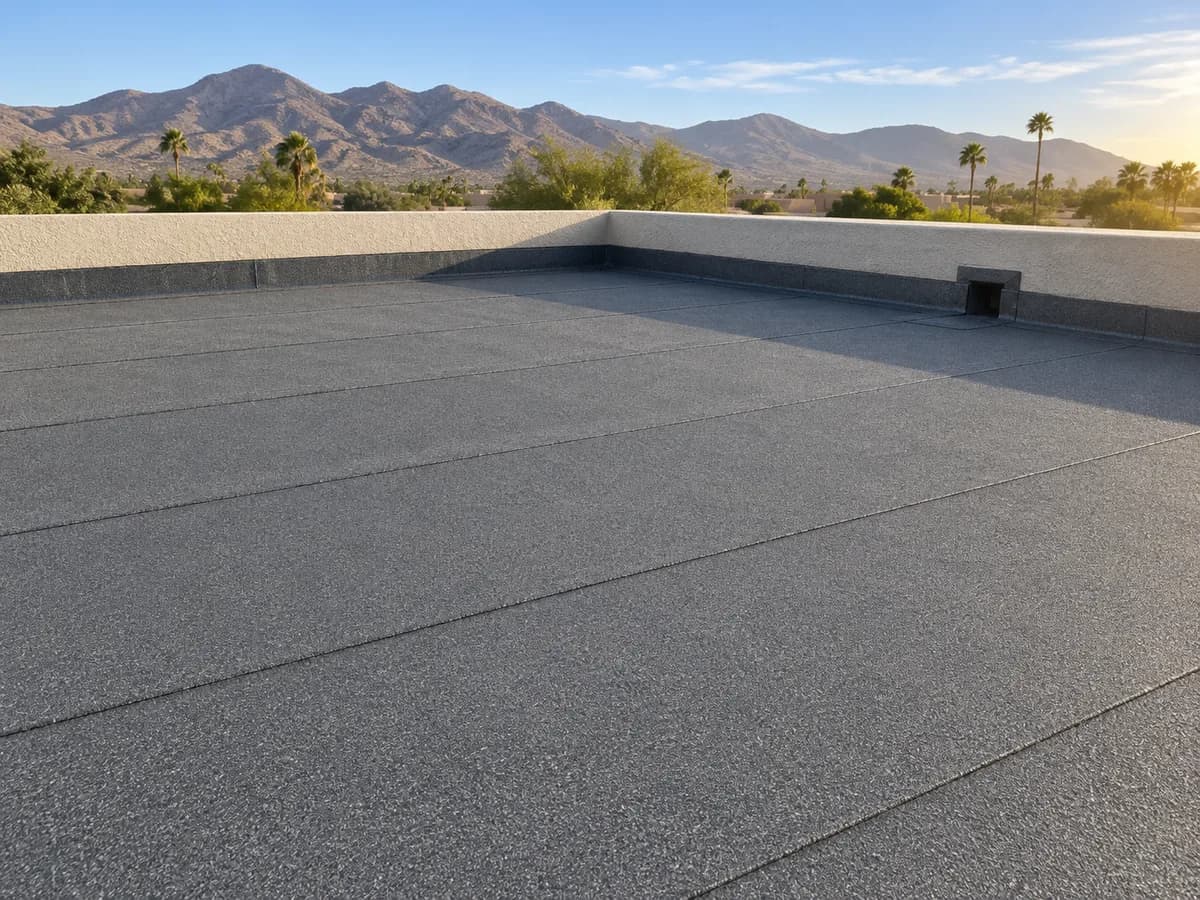
Representative granulated modified-bitumen roof with bonded sheet seams and parapet flashing

Modified bitumen

Torch-down roofing

Reinforced modified-bitumen sheets form a layered covering for suitable low-slope roofs. Surface protection, bonded laps, flashings, and drainage all matter when planning for sun exposure and rain.

The appeal
A layered membrane approach for low-slope roof areas.
Plan for
A compatible assembly, surface finish, carefully bonded seams, penetrations, and drainage.

Material images are illustrative. See completed work in our project galleries. About our imagery

Start with your property

The right roof starts with the right questions.

A Coachella Valley roof needs a plan for sun exposure, heat, and rain. Compare materials alongside roof slope, existing condition, drainage, and the care each system needs.

Get a Free Quote
  1. What’s there today?

    Roof slope, the existing surface, drainage, and signs of damage help shape the options worth considering.

  2. What matters to you?

    Talk through appearance, reflective surface options, maintenance, and budget. Ask about the specific product’s ratings before relying on cooling claims.

  3. What work makes sense?

    Discuss whether repair, maintenance, or replacement is appropriate before choosing the material and planning the work.

From our project gallery

See the work up close.

Explore tile, shingle, and low-slope roofing projects, with views of the work in progress and the finished roofs.

Roofing systems, explained.

A few useful answers before you choose a material.

No. Solar reflectance varies with the product, finish, and condition of the surface. Ask for the specific material or coating ratings. Cooling results also depend on insulation, building use, and other conditions, so a roof color alone does not establish energy savings.

Have a question about the roof over your head?

Get a Free Quote